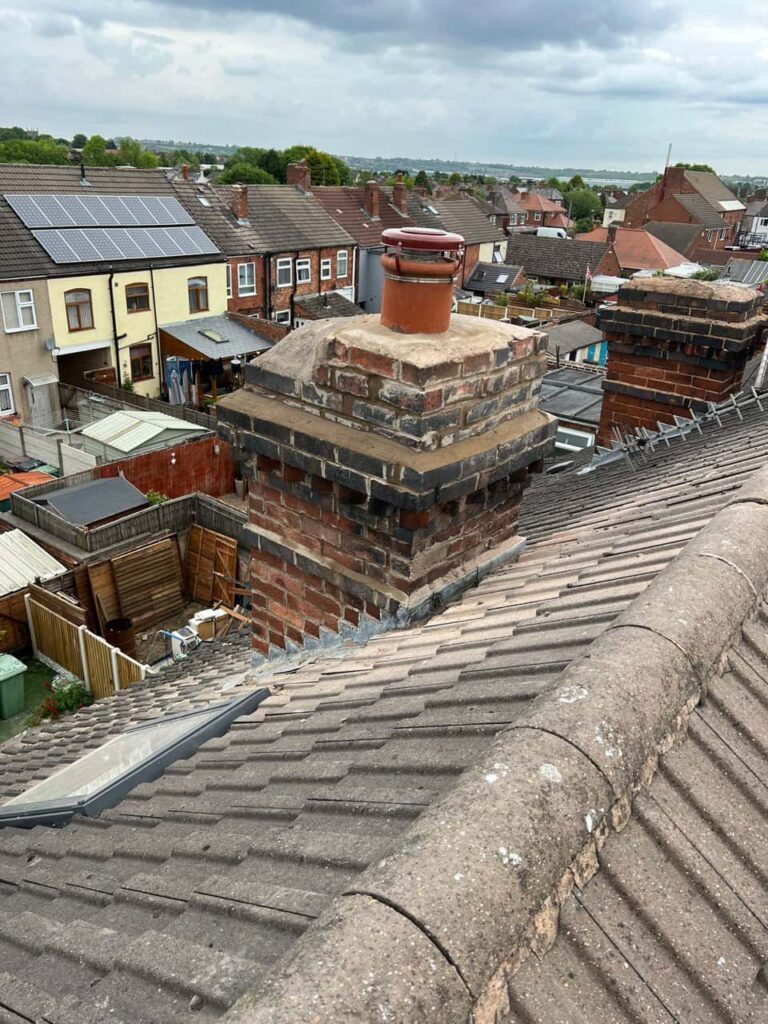
Chimneys remain a prominent feature on many properties in Arundel, Hampshire. While they may appear robust from ground level, the area where a chimney meets the roof is one of the most vulnerable points for water ingress.
Chimney leadwork plays a crucial role in protecting this junction. Without properly installed and maintained lead flashing, even a well-constructed roof can develop leaks and long-term structural issues.
Protecting the Roof-to-Chimney Junction
The intersection between chimney masonry and roof tiles creates natural gaps. These gaps must be sealed in a way that allows for movement while maintaining a watertight barrier.
Creating a Flexible Waterproof Seal
Lead is used because it is both durable and flexible. It can be shaped precisely to follow the contours of the chimney and tiles, forming a tight seal that prevents rainwater from penetrating beneath the roof covering.
Unlike rigid materials, lead accommodates slight movement caused by wind, temperature changes and normal structural settling.
Preventing Water Tracking
Rainwater naturally flows down the roof surface. Without correctly installed lead flashing, water can track behind tiles and into the roof structure. Over time, this may lead to damp patches, timber deterioration and internal staining.
In Arundel, where roofs are exposed to seasonal rainfall and wind, effective chimney leadwork is essential to maintaining long-term roof performance.
Managing Thermal Expansion and Movement
Both roofing materials and chimney masonry expand and contract at different rates. This movement can place strain on the junction area.
Absorbing Structural Movement
Lead flashing is designed to cope with these variations. It expands and contracts without cracking, helping preserve the integrity of the seal.
Reducing Stress on Surrounding Materials
Without flexible leadwork, rigid seals may fail prematurely. This can result in repeated repair issues around the chimney base.
Professional installation ensures correct detailing, overlap and fixing methods to maintain durability.
Preserving the Chimney Structure
Chimneys are constantly exposed to the elements, and their mortar joints and brickwork can gradually weaken.
Protecting Mortar and Brickwork
Effective leadwork prevents water from seeping into the masonry below. Persistent moisture can cause mortar erosion and internal damp problems.
Supporting Overall Roof Integrity
Because chimneys penetrate the roof surface, any weakness in flashing can compromise the entire roofing system. Well-maintained leadwork supports the wider structure by preventing hidden water ingress.
At Arundel Roofing Repairs, chimney leadwork is assessed carefully to ensure it performs effectively and complements the existing roof structure in Arundel.
Signs That Chimney Leadwork May Need Attention
Homeowners should be aware of early indicators such as:
- Visible lifting or gaps in flashing
- Cracked or split lead sections
- Damp patches near the chimney breast indoors
- Loose or displaced tiles around the chimney
Prompt inspection can prevent more extensive repairs later.
Conclusion
Chimney leadwork is vital because it protects one of the most vulnerable areas of the roof — the junction between chimney and tiles. Its flexibility, durability and ability to form a watertight seal make it essential for preventing leaks and preserving structural integrity.
For property owners in Arundel, Hampshire, maintaining effective chimney leadwork is a key part of responsible roof care. Arundel Roofing Repairs provides professional assessment and skilled workmanship to ensure chimney flashing continues to protect your home reliably for years to come.
Call us on: 01903 947 196
Click here to find out more about Arundel Roofing Repairs
Click here to complete our contact form and see how we can help with your roofing needs.